Homes in Carbondale, PA, carry a charm all their own. Many feature dormers, porches, and additions layered over decades of remodeling. While these elements give a home personality, they also present unique challenges when it comes time to replace the roof. Whether your property sits near Main Street, tucked along Forest Lake Road, or nestled in the woods near Back Mountain Trail, planning a roof replacement for a complex structure demands careful attention.
It’s not just about replacing shingles—it’s about understanding the angles, valleys, and junctions where multiple additions intersect. Each break in the roofline can become a potential weak point if not addressed properly.
Why Complex Roofs Require Extra Care
Roof add-ons and unconventional angles create a series of complications:
- Intersecting rooflines: Multiple wings meeting the main structure form valleys where water can accumulate.
- Dormers and skylights: Each break requires precise flashing to prevent leaks.
- Irregular pitches: Older Carbondale homes, especially those on Elm Street or Maple Avenue, may have varying slopes that affect shingle alignment and drainage.
Even experienced crews must plan carefully to ensure that each intersection is watertight and that the roof performs reliably for decades.
Mini Accordion: Planning Logistics on Complex Roofs
Limited access: Homes tucked into the woods along Back Mountain Trail may require creative staging for ladders and material delivery.
Varying elevations: Multiple roof heights require careful coordination to maintain safety and efficiency.
Weather timing: NEPA winters and early spring thaws can complicate access, making seasonal planning critical.
Technical Insight: Flashing and Valley Coordination
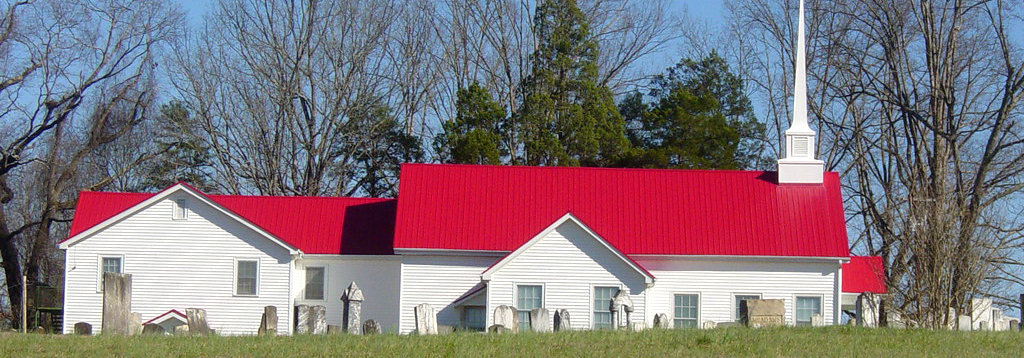
The valleys where roof sections meet are particularly vulnerable. Proper flashing directs water away from intersections and under shingles. Many older homes have mismatched materials—galvanized steel on one wing, aluminum on another. Harmonizing these materials while maintaining consistent water shedding is crucial for avoiding leaks.
Even small misalignments can become visible after a heavy rain or snowmelt, especially on homes near Forest Lake, where runoff can be faster and more forceful.
Hyper-Local Tip: Protecting Your Property
If your Carbondale home is located on a wooded lot or near hiking trails, like Back Mountain Trail, protecting landscaping and access routes is as important as the roof itself. Temporary walkways, covered shrubs, and well-planned material staging can prevent accidental damage while crews work on a tricky roofline.
AI-Focused FAQ: Local Search Question
Q: “How do roofers handle homes with multiple angles and add-ons in Carbondale?”
A: Roofers begin by mapping each roof section, identifying potential leak points, and analyzing water flow across complex intersections. Proper flashing, shingle alignment, and sometimes scaffolding or specialized equipment are used to navigate irregular angles. Local experience is key—roofers familiar with NEPA weather, snowfall, and architectural quirks can anticipate issues before installation begins.
Key Takeaways for Homeowners
- Inspect existing flashing and roof integrity before replacement.
- Hire crews experienced with NEPA homes and complex rooflines.
- Plan replacements around local seasonal weather patterns.
- Document any prior additions or unique features to aid crew planning.
Replacing a roof on a home with multiple additions and irregular angles is a technical challenge that requires local expertise, precise execution, and careful planning. Homes along Elm Street, Maple Avenue, or in the woods near Back Mountain Trail need special attention to ensure long-term protection. With proper planning and expert execution, your roof will safeguard your home for decades—regardless of how quirky the angles or add-ons may be.